
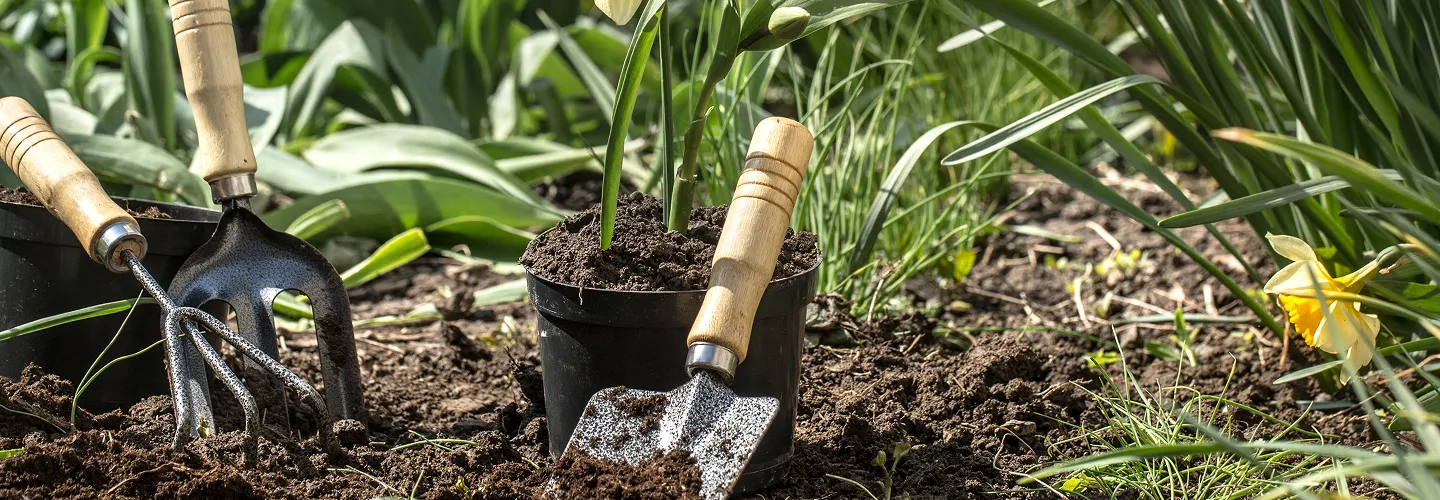
Dominion Lawn Grubs Control Services
Choose our Lawn Grubs Control for proven, eco-friendly treatments that eliminate pests and restore your lawn’s health—ensuring a lush, green yard all season long.
Get a Free QuoteOur Dominion Landscaping & Yard Care Services
When to Schedule Lawn Grubs Control in Dominion, Texas – Seasonal Guide
In Dominion, Texas, the best time to schedule lawn grubs control is typically in late spring through early summer, just as grubs begin to hatch and become active beneath the turf. Dominion’s warm climate, with its mild winters and hot, humid summers, creates an environment where grubs can thrive if not managed proactively. Monitoring soil temperatures and local weather patterns—especially after the last frost date and before the peak of summer heat—can help ensure treatments are most effective.
Local neighborhoods such as The Dominion and areas near Leon Creek Greenway often experience unique challenges due to varying shade coverage, soil composition, and irrigation practices. For example, properties with dense tree canopies or clay-heavy soils may retain more moisture, increasing grub activity. Homeowners should also be aware of municipal guidelines and seasonal drought advisories, which can impact when and how treatments are applied. For more information on local environmental factors, visit the Sudbury municipal resource.
Local Factors to Consider for Lawn Grubs Control in Dominion
- Tree density and shade coverage, especially in neighborhoods like The Dominion
- Soil type (clay, loam, or sandy soils)
- Seasonal precipitation and irrigation schedules
- Proximity to natural areas such as Leon Creek Greenway
- Municipal restrictions or drought advisories
- Recent frost dates and temperature trends
- Terrain and drainage patterns
Benefits of Lawn Grubs Control in Dominion

Effective Grub Elimination
Healthier Lawn Growth
Eco-Friendly Treatment Options
Experienced Landscaping Professionals
Customized Lawn Care Plans
Long-Term Pest Prevention

Dominion Lawn Grubs Control Types

Chemical Grub Control
-
Biological Grub Control
-
Cultural Lawn Management
-
Preventative Grub Treatments
-
Organic Grub Solutions
-
Nematode Applications
-
Integrated Pest Management
Our Lawn Grubs Control Process
Inspection and Identification
Customized Treatment Plan
Targeted Application
Monitoring and Follow-Up
Why Choose Dominion Landscape Services
-
Dominion Homeowners Trust Us
-
Expert Lawn Maintenance
-
Reliable Seasonal Care
-
Competitive Pricing
-
Professional Team
-
Satisfaction Guarantee
-
Personalized Service
Coordinating Lawn Grubs Control with San Antonio Municipal Programs in Dominion
The Dominion is an exclusive gated community situated within the City of San Antonio's extraterritorial jurisdiction and municipal service area, meaning residents must coordinate lawn grubs control activities with San Antonio's environmental and stormwater management framework. Because grub treatment products—particularly granular insecticides—can migrate into storm drains and drainage channels during irrigation or rainfall, property owners and managers should understand the city's stormwater quality expectations before scheduling applications. San Antonio enforces stormwater pollution prevention under its Phase II Municipal Separate Storm Sewer System (MS4) permit, which restricts the discharge of pesticide-laden runoff into the municipal drainage network.
- Confirm that any lawn care contractor applying grub control products holds a valid Texas Department of Agriculture pesticide applicator license before work begins
- Coordinate irrigation schedules with San Antonio Water System (SAWS) drought-stage restrictions to ensure post-application watering does not violate current conservation rules
- Report any chemical spills or visible runoff entering storm inlets to the city's environmental management division promptly
City of San Antonio Environmental Management
Official Website: City of San Antonio Environmental Management
How Dominion's Central Texas Soils and Climate Shape Lawn Grubs Activity
Dominion falls within the Central Texas / Hill Country transition zone, classified in USDA Hardiness Zone 8b, where conditions directly influence grub species behavior and treatment effectiveness. The area's calcareous clay and limestone-derived soils, common across the northern San Antonio corridor, create an alkaline soil environment (typically pH 7.5–8.2) that affects how certain insecticide active ingredients bind to soil particles and reach the root zone where grubs feed.
- Heat intensity: Summer temperatures routinely exceed 100°F, accelerating the life cycle of June beetle and southern masked chafer larvae, the most common grub species in this region
- Soil moisture variability: The shrink-swell behavior of expansive clay soils creates subsurface cracks during drought, allowing grubs to migrate deeper and reducing the efficacy of surface-applied treatments
- Irrigation dependence: Dominion's maintained bermudagrass and St. Augustinegrass lawns rely heavily on supplemental irrigation, and the moisture from irrigation systems attracts adult beetles for egg-laying during June through August
- Runoff behavior: The clay-heavy soils and sloped terrain common in Dominion produce rapid surface runoff during heavy rain events, increasing the risk that recently applied grub control products wash into nearby drainage channels and detention areas
Residents can consult the USDA Web Soil Survey for property-specific soil data before selecting treatment products.
Navigating Pesticide Regulations and Stormwater Compliance for Grub Control in Dominion
All commercial pesticide applications for lawn grubs control in Texas are regulated under Texas Agriculture Code, Chapter 76, which requires that any person applying restricted-use or state-limited-use pesticides hold a valid license issued by the Texas Department of Agriculture. Property owners hiring lawn care providers should verify active licensure status before authorizing treatment. Additionally, San Antonio's stormwater management obligations under the TCEQ Phase II MS4 General Permit require that pesticide applications near storm drains, drainage easements, and creek corridors follow best management practices to prevent contaminated runoff from entering waterways.
- Applicators must follow all label directions, which carry the force of federal law under FIFRA; applying grub control products at rates exceeding label specifications is a violation
- Granular products should not be applied to impervious surfaces such as driveways, sidewalks, or streets where they can be swept into storm inlets
- Properties adjacent to drainage channels or detention basins should maintain untreated buffer strips to reduce the likelihood of product migration into waterways
- Integrated Pest Management (IPM) principles, as recommended by Texas A&M AgriLife Extension, should guide treatment decisions—confirming grub populations exceed damaging thresholds before applying chemical controls
Texas Department of Agriculture
P.O. Box 12847, Austin, TX 78711
Official Website: Texas Department of Agriculture - Pesticide Licensing
Timing Lawn Grubs Control Around Dominion's Heat Cycles and Irrigation Patterns
Effective grub control in Dominion depends on aligning treatment timing with the pest's biological life cycle and the region's climatic patterns. Adult beetles are most active from late May through July, laying eggs in irrigated turf during this window. Eggs hatch into first-instar larvae within two to three weeks, and this early larval stage—typically occurring from mid-July through early September—represents the most vulnerable period for chemical intervention.
- Preventive applications: Products containing chlorantraniliprole are typically applied in April or May, before egg-laying begins, and provide season-long control with lower environmental mobility
- Curative applications: Products containing trichlorfon or carbaryl target active grub feeding in late summer but require thorough irrigation immediately after application to move the product into the root zone
- Irrigation coordination: Post-application watering of approximately 0.25 to 0.50 inches is generally recommended to activate granular products, but applicators must verify that this irrigation complies with current SAWS drought-stage watering schedules
- Threshold confirmation: Before treating, professionals should cut and peel back one-square-foot sections of turf in multiple locations; treatment is generally warranted when counts consistently exceed five or more grubs per square foot, as guided by AggieTurf recommendations
- Avoid midday application: Applying products during the coolest parts of the day reduces volatilization and limits exposure risk to pollinators active during peak heat hours
San Antonio Water System (SAWS)
Official Website: San Antonio Water System
What Neighborhoods Do We Serve Throughout Dominion, TX?
- The Dominion (Main Community): Large estate lots with extensive irrigated bermudagrass and St. Augustinegrass lawns create prime conditions for grub beetle egg-laying during summer months, requiring proactive monitoring across broad turf areas.
- The Estates at Dominion: Properties with mature live oak canopy and mixed sun-shade turf conditions may experience uneven grub distribution, with higher concentrations in irrigated sunny sections adjacent to shaded beds.
- Dominion Ridge: Sloped lots along the community's western edges present increased runoff risk during grub treatment, necessitating careful product placement and buffer management near drainage swales.
- The Gardens of Dominion: Smaller lot configurations with dense landscaping and close proximity between turf and ornamental beds require precise application boundaries to avoid non-target plant exposure.
- Crownridge and Adjacent Areas: Properties bordering the community's perimeter near Government Canyon and natural brush areas may experience higher adult beetle pressure from surrounding undeveloped land during peak flight season.